By Bruce Doorly
 |
 |
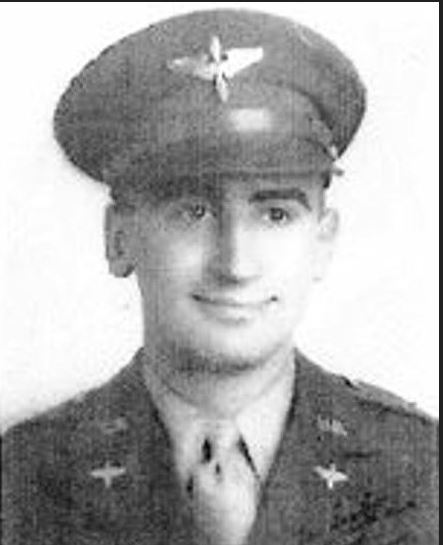
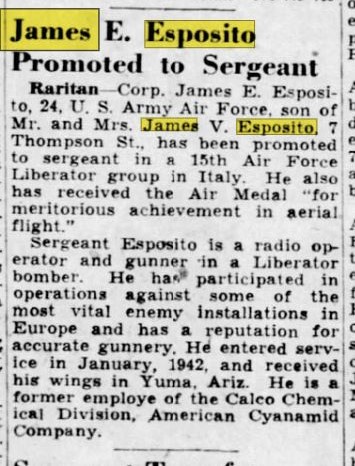
He served in the Air Force as a radio operator and gunner on a B24 bomber, where he flew on 35 bombing missions over enemy territory throughout Europe.
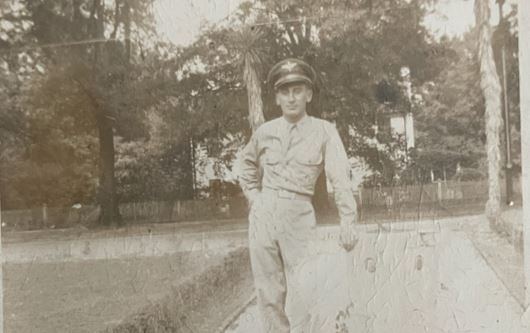
When World War II began, he became an airplane spotter on the home front. James joined the (Army) Air Force in March of 1943. Raritan gave him a send off dinner at Curcio’s Tavern where his fellow airplane spotters presented him with a pen and pencil set.
While in the service on June 26th 1943, he married a Raritan girl, Elizabeth Schuler, who had lived at 30 Doughty Street.
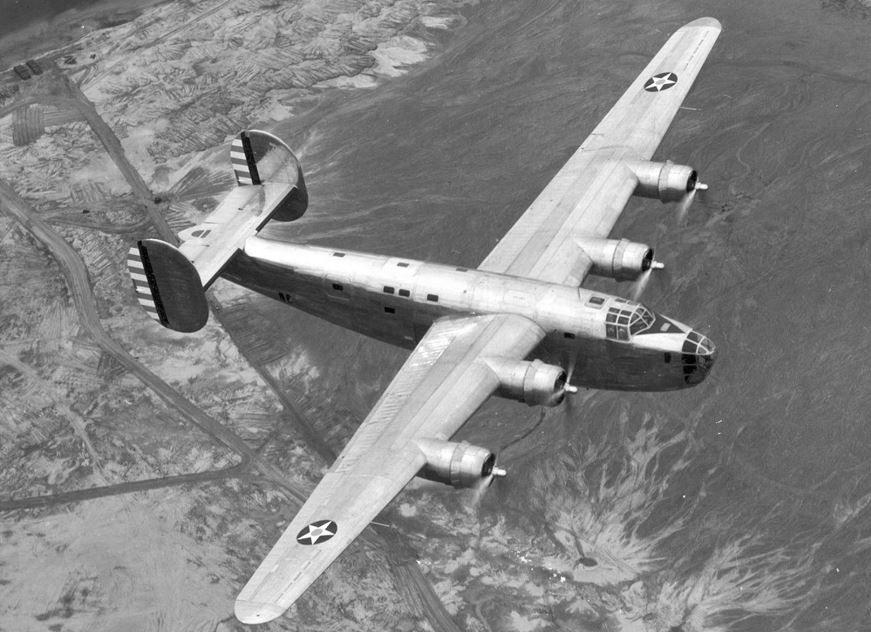
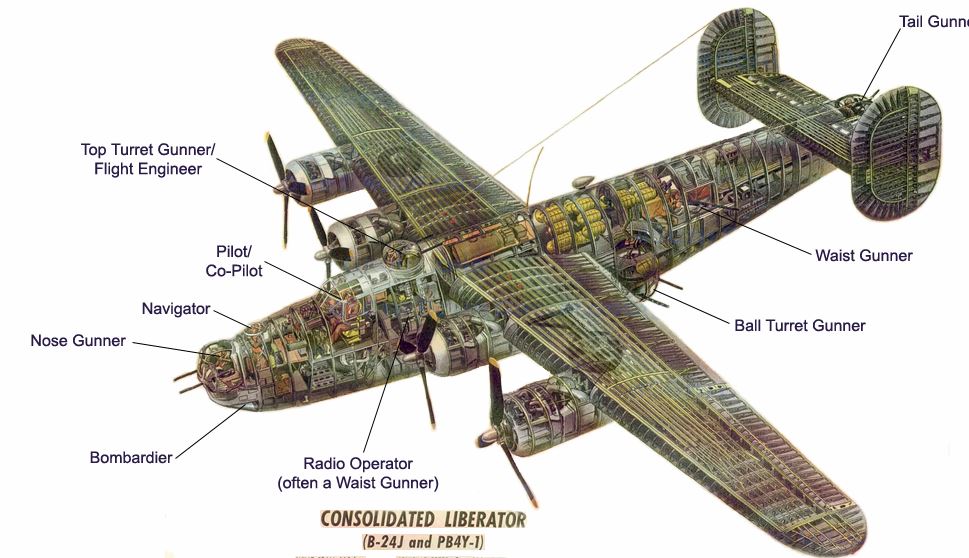
The B-24 bomber has a crew of ten men: a pilot, co-pilot, radio operator, navigator, bombardier, flight engineer, and five gunners in various positions. The plane could cruise at 215 miles an hour and could carry up to 8000 pounds of bombs, but the usual load was 2000-5000 pounds.
The B-24 could travel up to 750 miles and still have enough fuel to make it back to the base. The B-24 was the predominant bomber used by the U.S. against Germany in Europe during World War II.
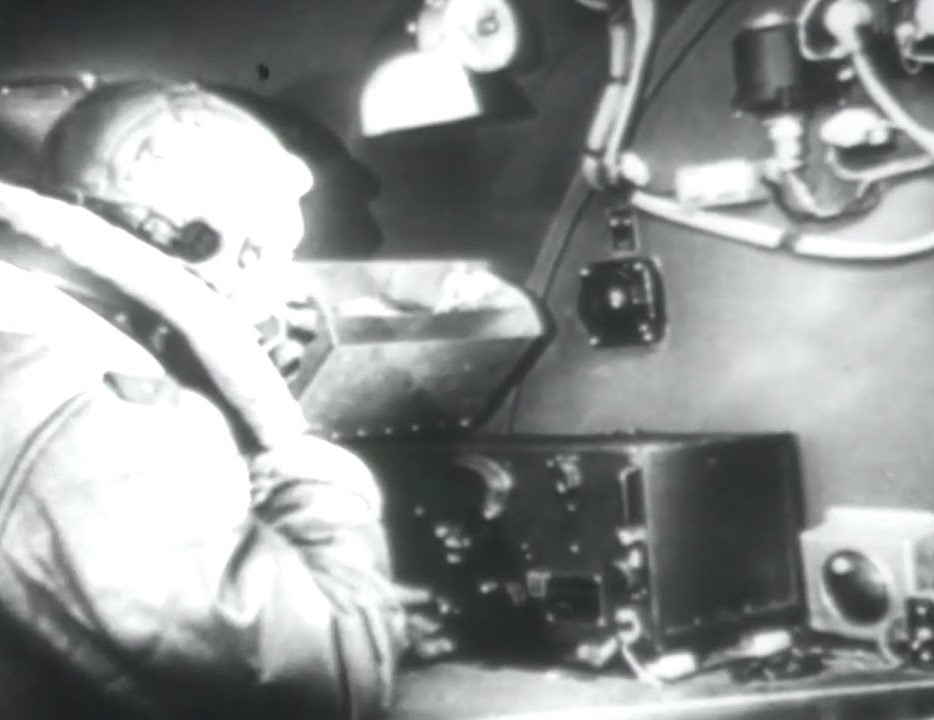
On the B-24 bomber, the radio operator was a critical member of the crew, responsible for both communications and certain technical tasks. His primary duties were to operate the radio to maintain contact with headquarters, other aircraft, and ground stations. He would give positional reports to command every thirty minutes. He used both voice and Morse code for transmitting messages.
James also had the duty of operating the top turret guns to fight attack from enemy aircraft.
At times he would release thin strips of aluminum in order to confuse the enemy’s radar system on their position.
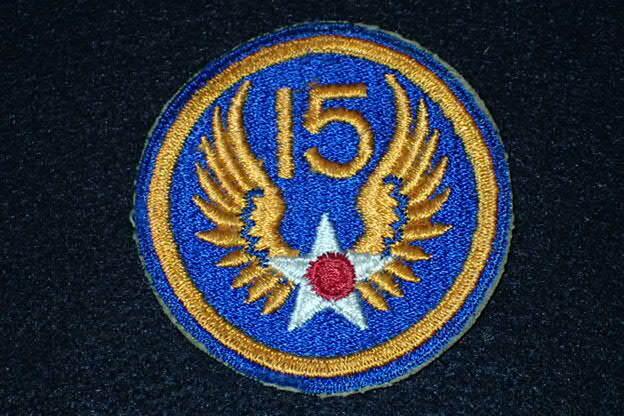
Towards the end of 1943 James Esposito and the 15th Air Force moved to the battlefront. The U.S. in the battle for Italy had recently recaptured southern Italy where they established airfields.
The 15th Air Force played a vital role in the war as from Southern Italy they could bomb locations that were hard to reach from England.
James Esposito would go on dozens of bombings runs all over Europe – hitting locations in Austria, Germany, Yugoslavia, Czechoslovakia, Poland, France, and Northern Italy.
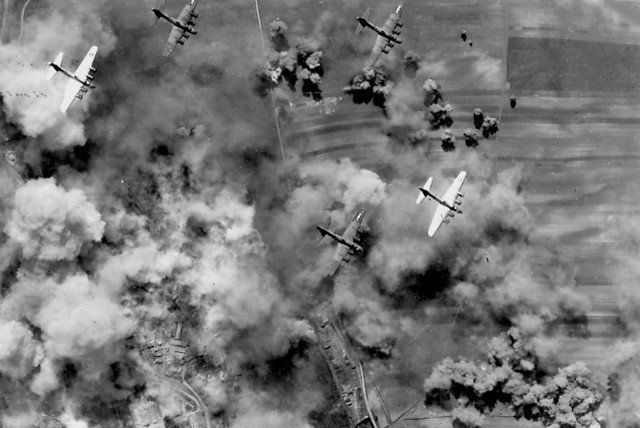
The 15th’s losses were heavy, 3,364 aircraft lost, and 21,671 men killed, wounded, or taken prisoner. After he returned home James Esposito recounted for the Raritan Valley News how on one mission his plane was badly damaged by enemy flak, but they managed to make it back safely.
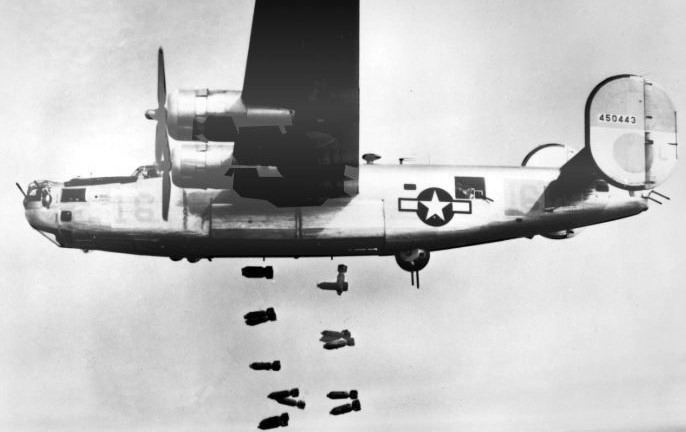
He flew in one battle that made the history books. That was the Battle of Bologna that took place in Italy in April of 1945.
Almost all of the 15th Air Force’s available planes participated in the bombing of Northern Italy.
This was the first time in the war that enemy ground troops were the target of the bombing.
All previous targets had been factories and transportation infrastructure. In the Battle of Bologna, after the intense bombing by the 15th Air Force of the German ground troops, the U.S. ground troops were then able to march north to take the rest of Italy.
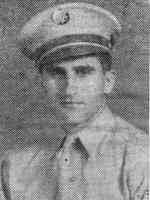
No article about James’s World War II service would be complete without mentioning that his brother Frank was killed in World War II. It happened in November of 1944 in an explosion in Hawaii at a military base.
Frank had attended the Raritan Schools. He also worked at Calco in Bridgewater. He was married and had a daughter Frances who was born in 1944. Frank entered the service in March of 1942 and was assigned to the Infantry.
Today Raritan honors Frank Esposito as his photo can be seen on the Wall of Heroes in the Raritan Municipal Building and on a pole in downtown Raritan.
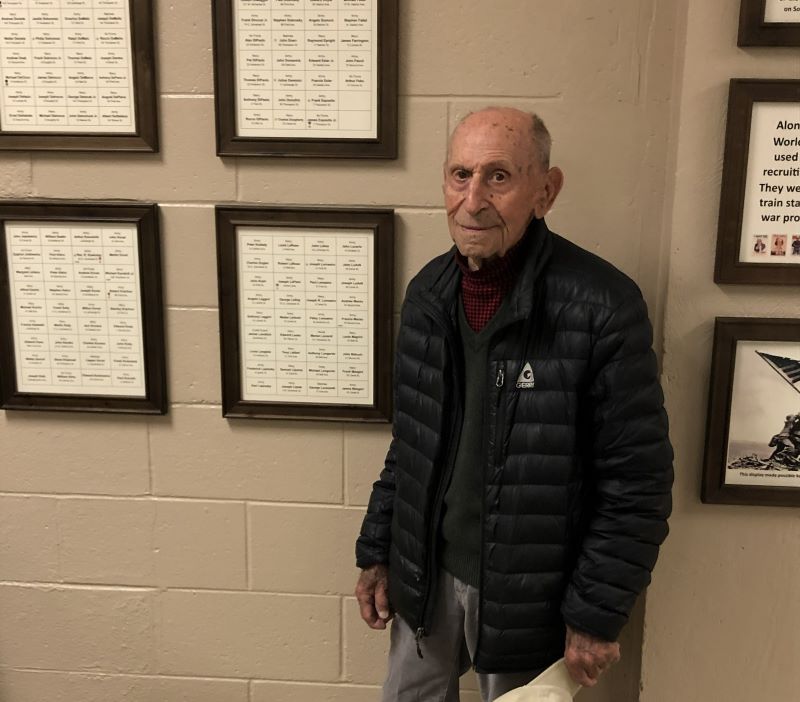
Following his military service, James built a successful career as a draftsman with American Cyanamid (previous Calco) in Bridgewater, where he worked until his retirement. He and his family lived in Raritan till 1952, when they moved out to South Bound Brook.
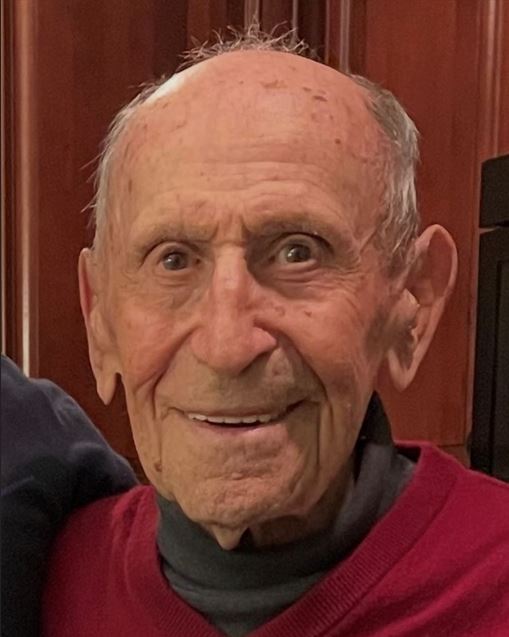
James’ greatest passion was golf. He was a legend at the Spooky Brook Golf Course in Somerset where he was well known for sometimes shooting below his age. He relished his time on the golf course, where he found joy, friendship, and countless memories. He continued to enjoy golfing well into his 100s.
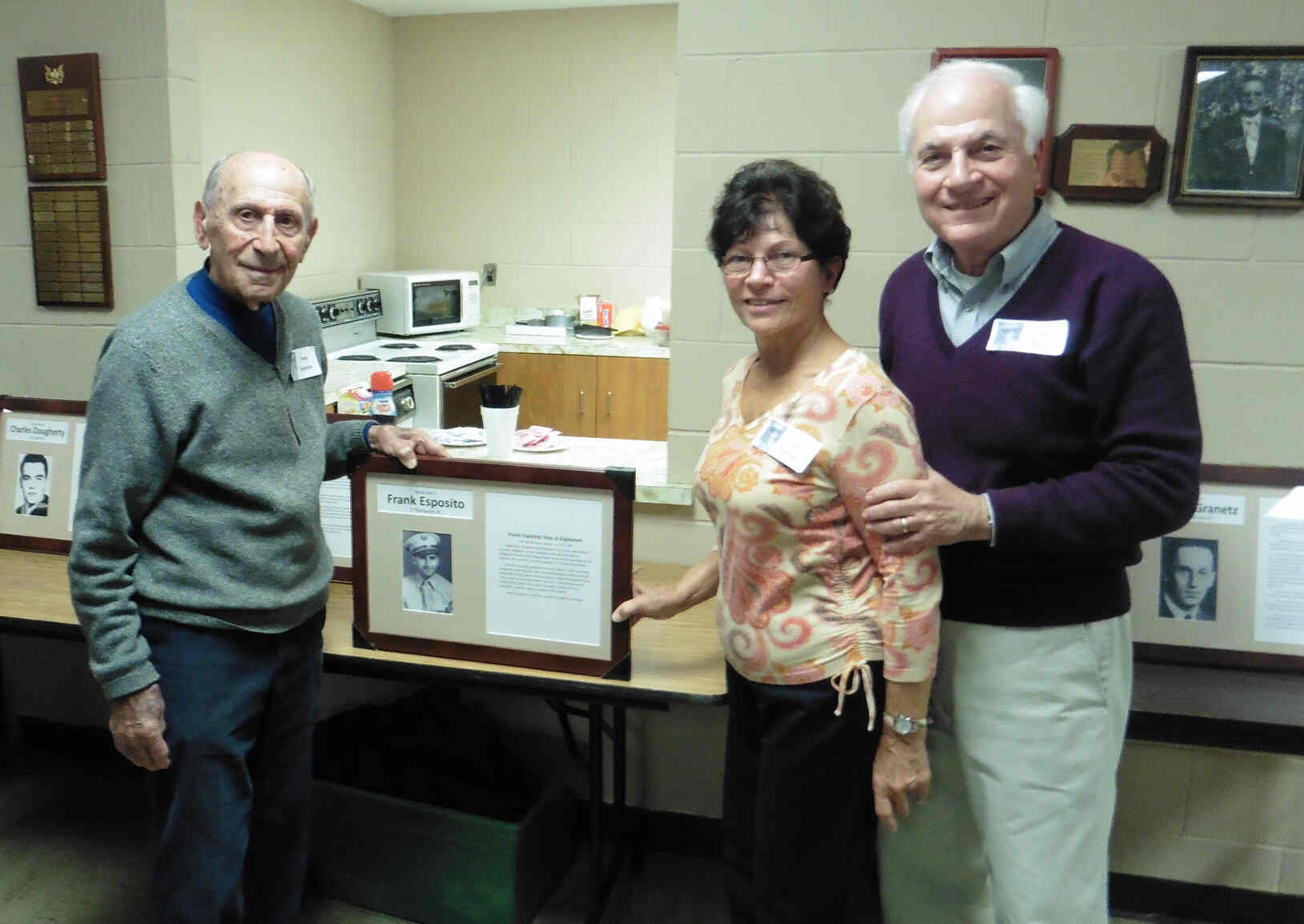
of the Wall of Heroes
He is survived by his son, Charles Esposito and his daughter, Kathy Levinson. His wife Elizabeth passed away in 1983.
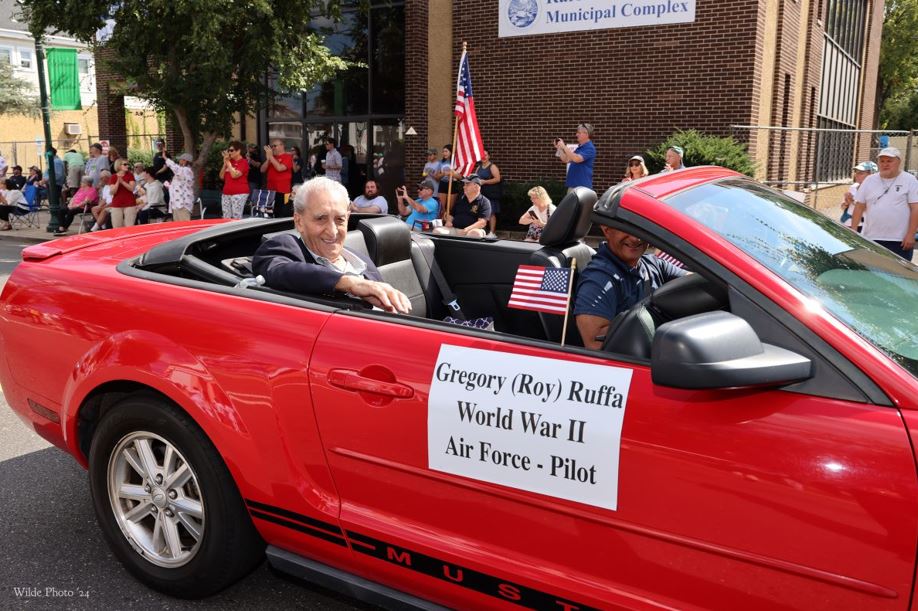
With the death of James Esposito, Roy Ruffa, also with the Air Force, is the only known living Raritan veteran of World War II.