Article for The Breeze Newspaper By Bruce Doorly
Two local soldiers, Harry Hein, from Bridgewater, and Robert Krachun, from Raritan, played a role in this trial.
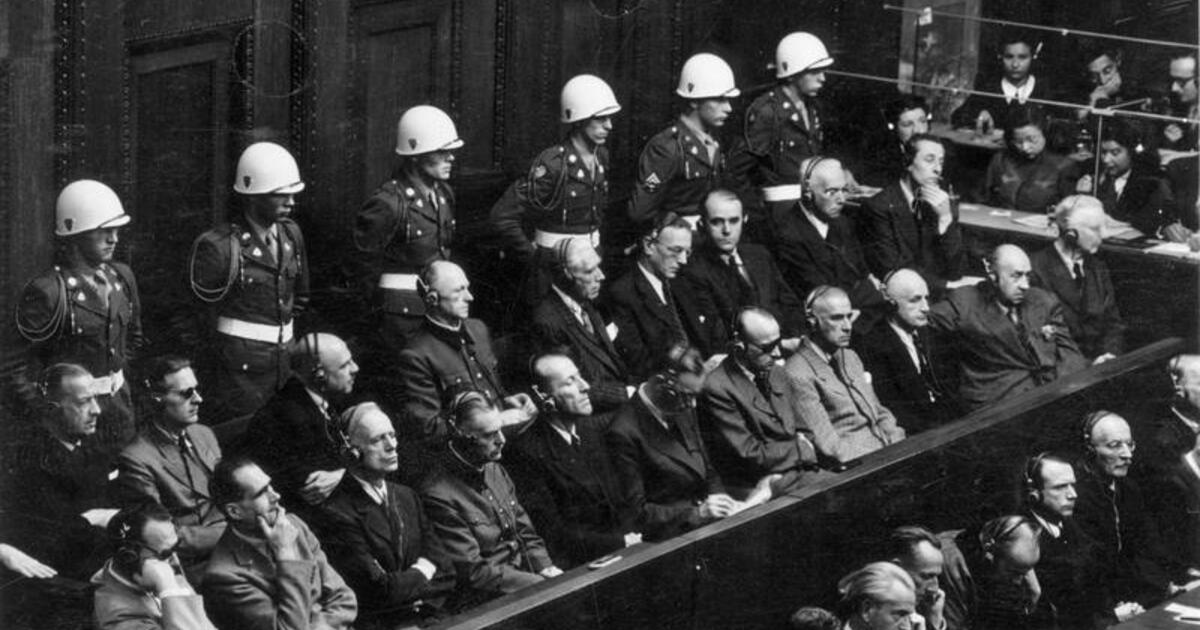
The four countries established a formal organization that they called the International Military Tribunal (IMT). After much discussion, the IMT agreed that a trial of twenty-three Nazi leaders would be held.
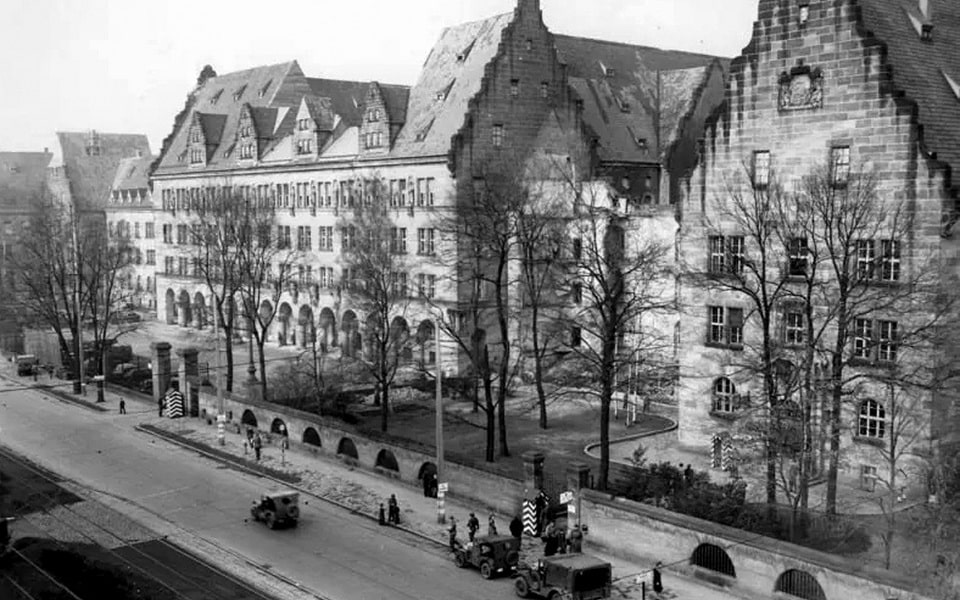
It was decided that the trial should take place at the “Palace of Justice” in Nuremberg, Germany.
The “Palace of Justice” was a practical decision as it was a courthouse with an attached prison which could house the prisoners that were on trial.
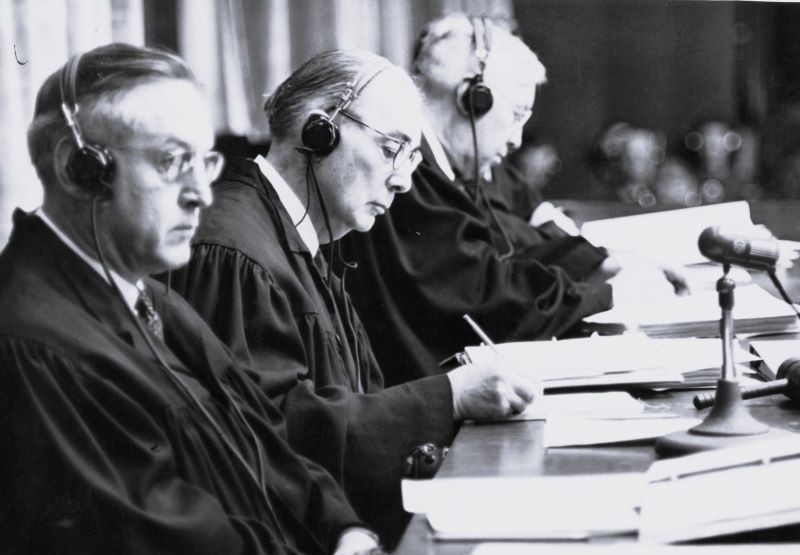
The challenge involved in the trial was that four different languages were spoken by the participants - English, French, Russian and German. Traditional translation between languages was to wait until a sentence (or two) is completed. When the speaker stopped, then an interpreter translated. But this is a slow process.
A first of its kind solution was designed by IBM to solve this problem. While a person was speaking in the courtroom, highly skilled “simultaneous translators” would translate from one language to another. That required the translators to be able to translate/talk while listening at the same time. The translated words would be spoken in about a six second delay.
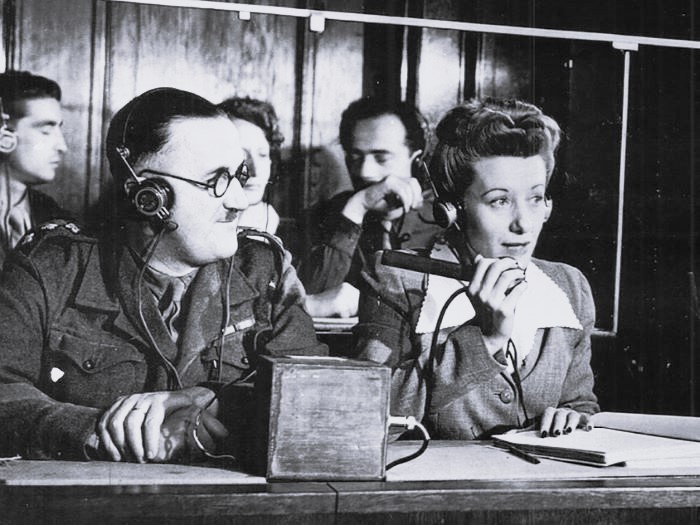
If the “courtroom speaker” was going too fast, the translators would flash a yellow light to signal for them to slow down.
To find people capable of “simultaneous translation,” a talent search throughout Europe was undertaken. It was learned that only 5% of those that knew two languages could do simultaneous translation.
The courtroom had 300 headphones - all with cords.
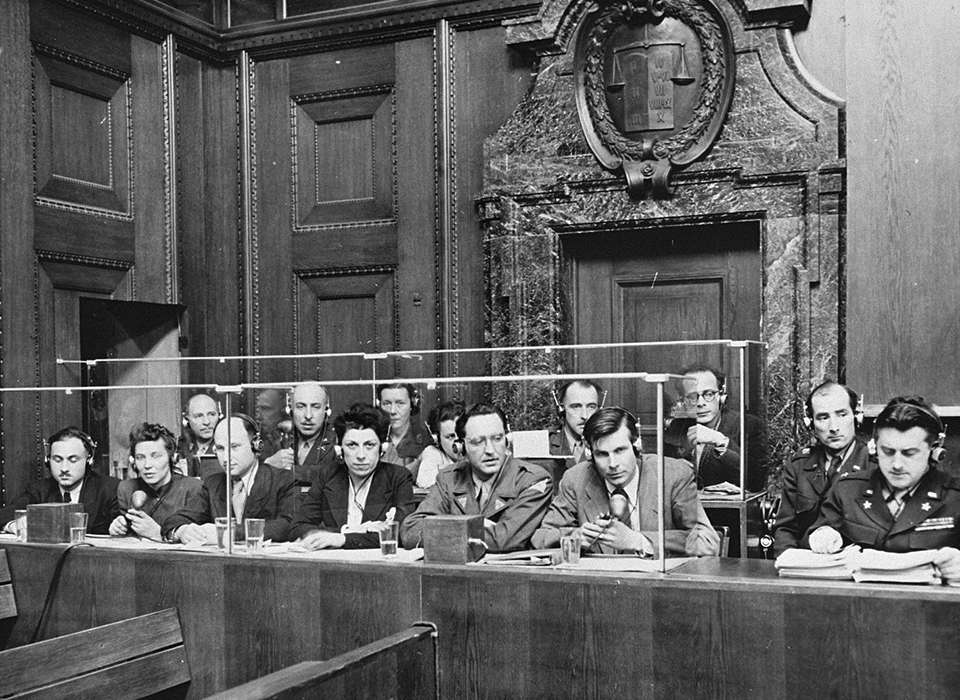
Solving the language problem was only one of the issues that the IMT faced. A staff of hundreds was needed.
Judges, prosecutors, secretaries, translators (for outside the courtroom), chefs, drivers, construction workers, and plenty of guards were needed.
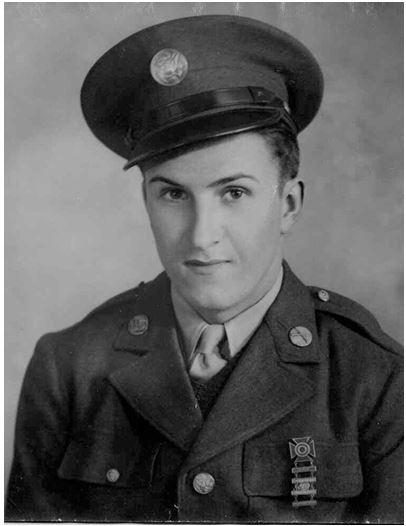
Robert Krachum of 86 First Avenue in Raritan was assigned guard duty at the prison. At times that included escorting the prisoners to and from their cells.
A great deal of time was spent observing the prisoners inside their cell by looking through a window. The IMT did not want any prisoners committing suicide as one had early on, as the IMT wanted the true vengeance of hanging the guilty Nazis.
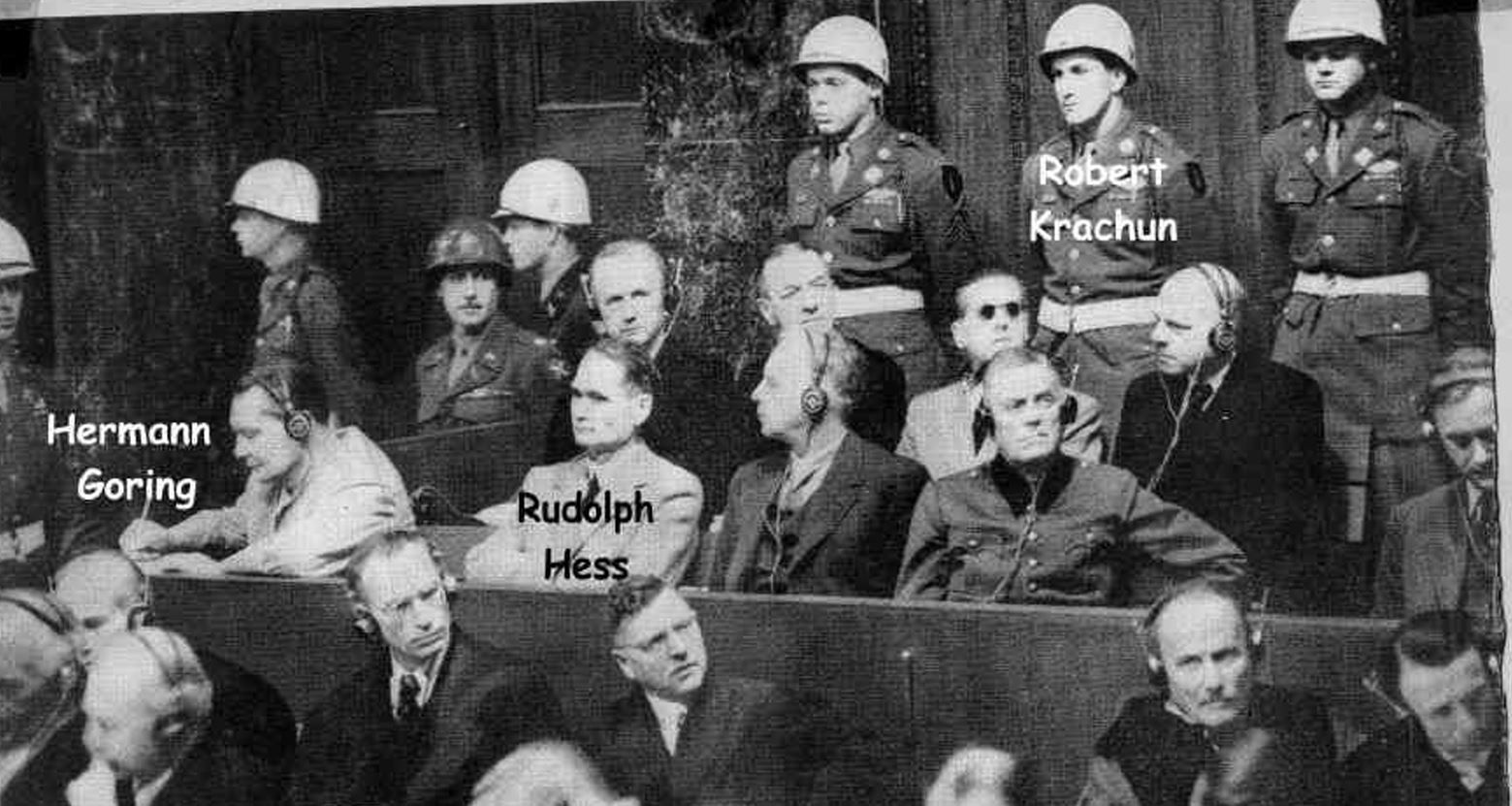
Robert appeared in the newsreels that were shown back home – and the Raritan residents recognized him immediately. The local papers picked up on the story and quotes from Robert’s letters home about the trial appeared in the newspaper.
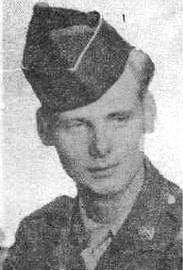
Harry’s family had spent six months in Bavaria when he was nine. In that time, he learned to speak German. He remembered enough German to be of use to the IMT when dealing with the prisoners.
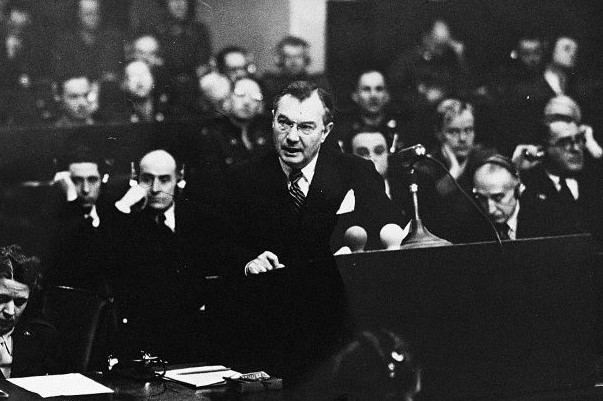
The trial began in November of 1945, six months after Germany’s surrender. Each of the four countries had their own lead prosecutor.
For the United States it was U.S. Supreme Court Justice Robert Jackson. His opening remarks at the trial were powerful. They are often quoted in history books and his speech appears in various movies about the trial. Part of his opening statement was:
The wrongs which we seek to condemn and punish have been so calculated, so malignant and so devastating, that civilization cannot tolerate their being ignored because it cannot survive their being repeated.
gave a powerful opening statement
The most damning evidence was the film that showed the horrors of the concentration camps. Today most are familiar with those images, but at Nuremberg many saw them for the first time. All those on trial denied knowing anything about the concentration camps.
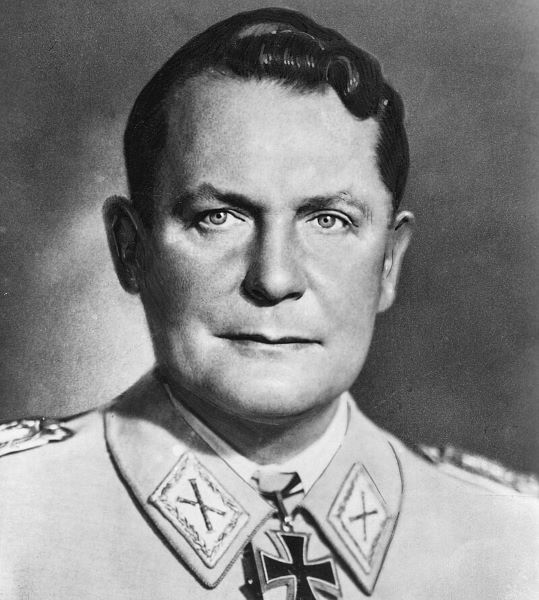
11 of the surviving 22 defendants were sentenced to death by hanging, 3 others received life in prison, 5 others received prison sentences, and 3 were surprisingly acquitted.
In 2007, Robert Krachun was asked if he was surprised at the 3 acquittals. He said “The Nazis were arrogant and had no remorse – they all deserved to be hanged.”
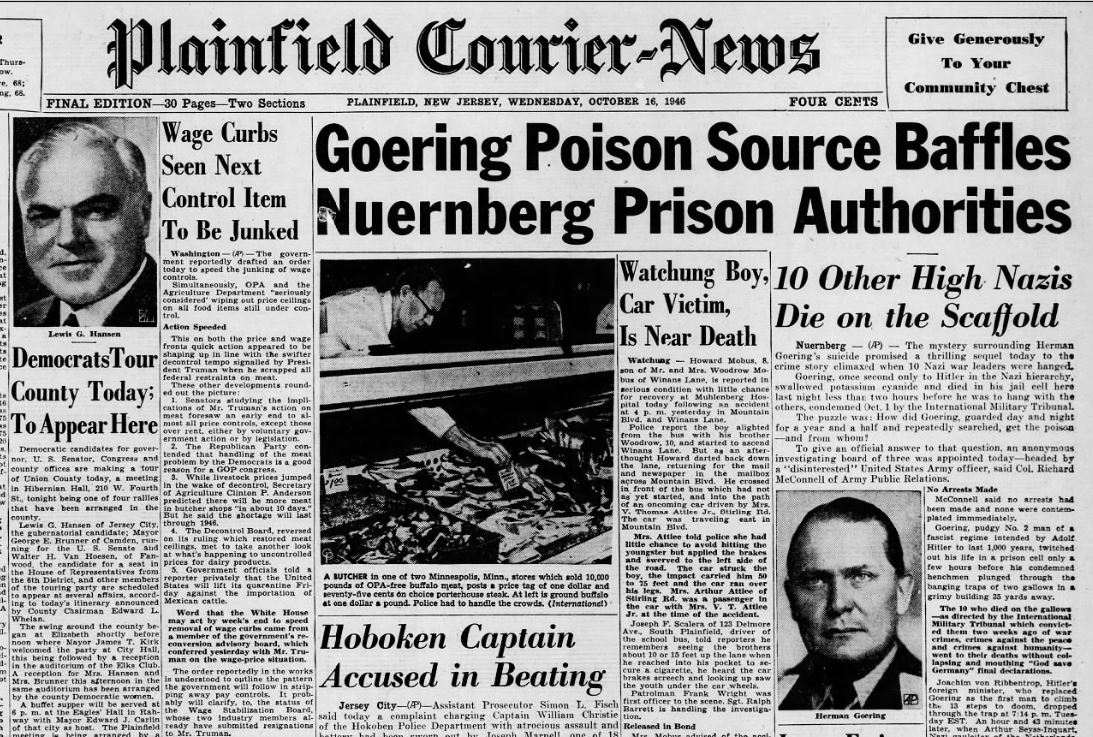
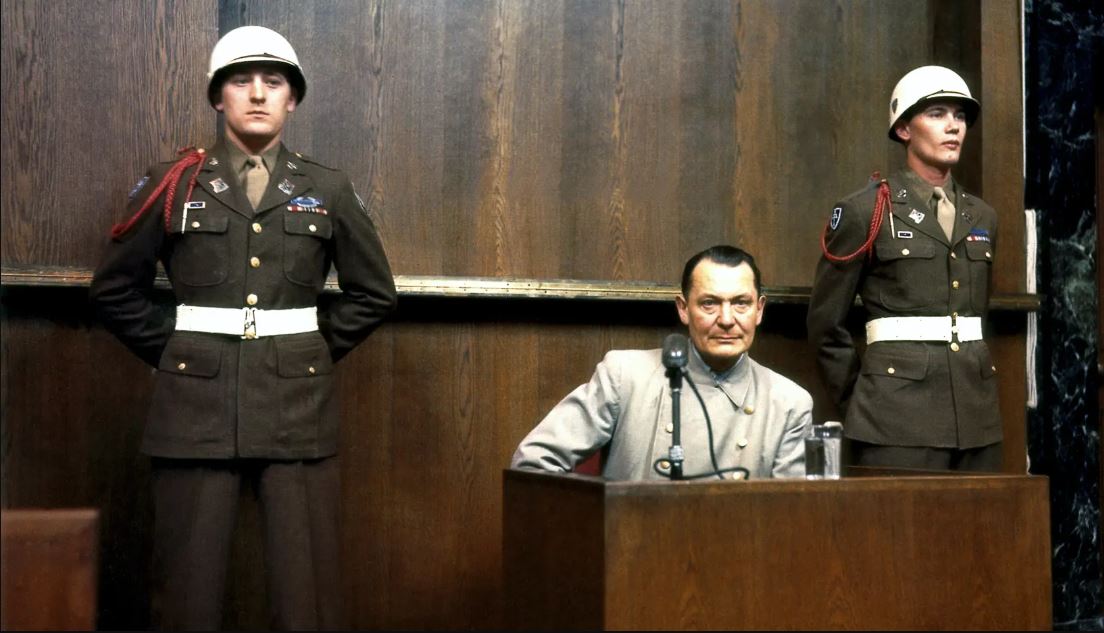
But a couple hours before the hanging, Hermann Goring, the top Nazi on trial, managed to commit suicide by taking cyanide thus saving him from the hangman’s noose.
The next day Goring’s suicide would dominate the newspaper headlines worldwide.

The Nuremberg Trials set a precedent for how the international community addresses war crimes. The international community would now hold individuals accountable for their actions during war.
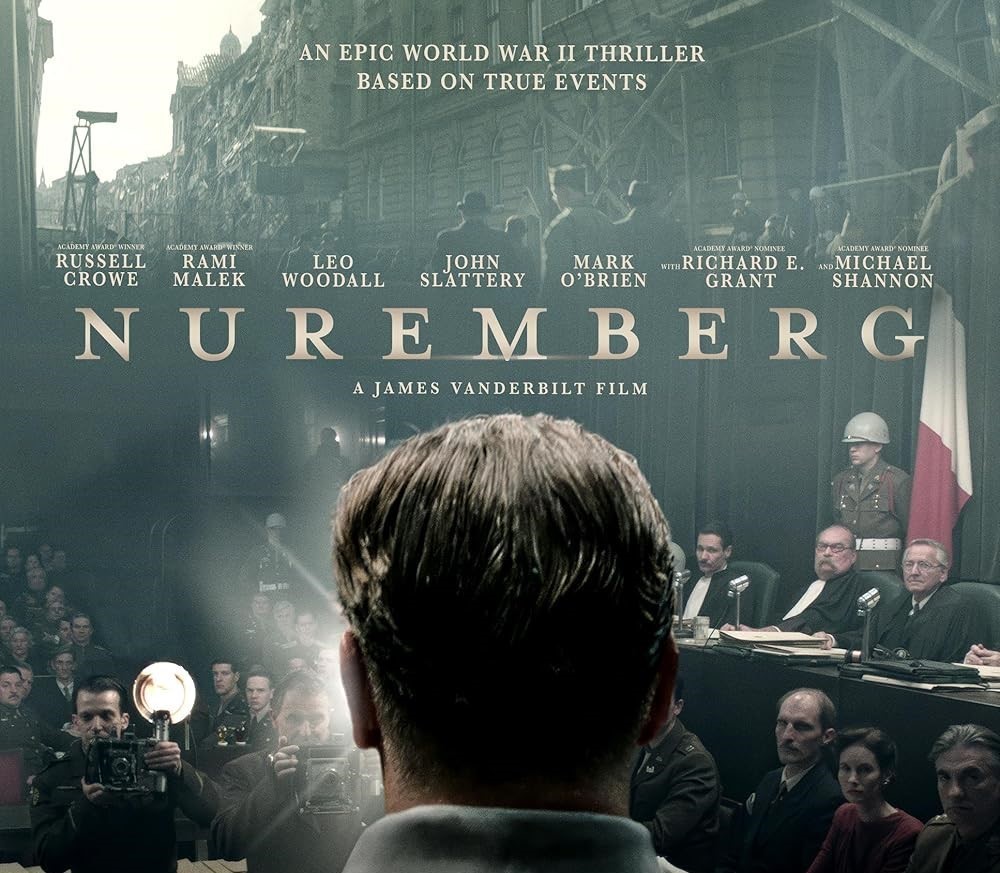
This author highly recommends the 2025 Nuremberg movie.